|
 |
|
|
|
FORESPAR’S® MF 850
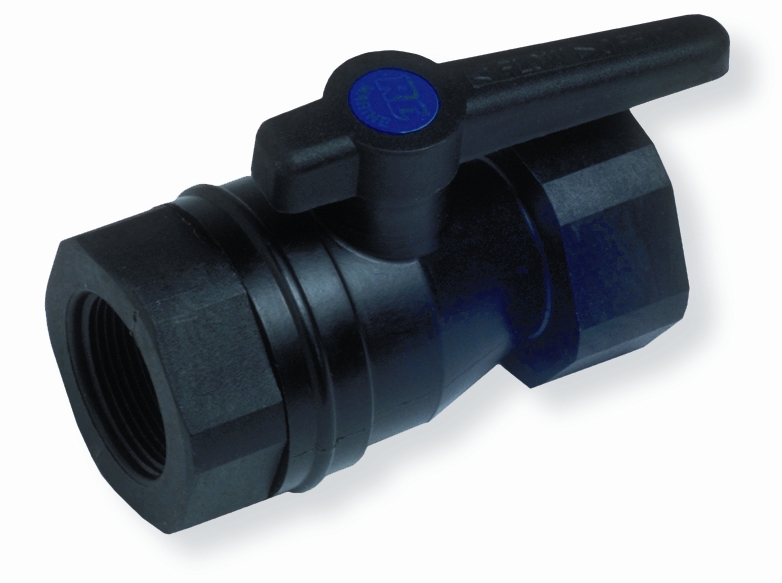
Forespa® MF 850 series of Ball Valves are precision molded in high strength Marelon®. Their great strength, light weight, and complete freedom from corrosion and electrolysis make them the ideal valve for controlling inlet and outlet water requirements above and below the waterline. Our engineers opened and closed one of our ¾” (19.05mm) valves 11,000 times, then submerged it in water with an air line pressurized to 40 p.s.i. connected to it. The result was an absolutely leak free condition with no evidence of wear on internal seals. All valves sold throughout the U.S.A. have N.P.T. type threads. If specified, B.S.P. are available on valves sold outside of America. The temperature range of Marelon® is -40° F to +176° (-40°c to +80°c).
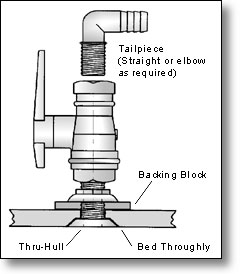
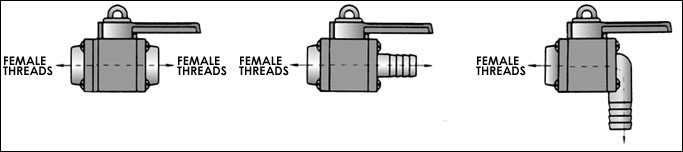
MARELON “93” SERIES THREADED VALVES These valves are designed to meet the needs of builders and owners who require the benefits of the Marelon® Integrated Plumbing System with “standard” female threads. These valves will work on Marelon®, bronze or stainless steel NPT threaded thru-hulls and are available with female/female (933332-8), strait tailpipe (933342-8) or 90o elbows (933352-8) already attached. All “93” series valves are full port (the I.D. of the ball is the same as the I.D of the barb).
93 Series Chart - OEM Sales Only

 |
|
|
 |
 |
|
|
 |
 |
|
 |
|
 |
|
 |
 |
Zero corrosion, zero electrolysis, light weight, strong marine grade The temperature range of Marelon is: -40F to +176F or -40C to +80C All Marelon products are carbon fiber reinforced All 93 series valves are U.L. approved and ISO certified Port Sizes 93 Series 1/2" (12.7mm) = .462" (11.73mm) 3/4" (19.05mm) = .52" (13.2mm) 1" (25.4mm) = .79" (20.06mm) 1-1/4" (31.75mm) = 1.05" (26.67mm) 1-1/2" (38.1mm) = 1.25" (31.75mm) 2" (50.8mm) = 1.54" (39.11mm) 849 & 850 Series 1/2" = 5/8" 3/4" = 5/8" 1" = 15/16" 1-1/4" = 15/16" 1-1/2" = 1-5/16" 2" = 1-13/16"

All Marelon valves are non-corrosive but lake any moving part in a marine environment, they require regular use, inspection and lubrication. Do not fail to actuate the handle regularly and lubricate the seals at least once a year or more. Use any non-petrolium based grease and avoid any aerosols as the carriers used may damage the valves. Never use a penetrating lubricant like WD-40! To lube, close the valve, remove the hose, remove any standing water (as much as possible) and use a soda straw or other flexible, throw-away device to swab the ball through the tailpipe or elbow. Replace the hose (check for worn hose, rusty hose clamps and replace if necessary) then activate the handle to draw the lubricant around the seals. When the boat is hauled, this can be done through the thru-hull easily. The best maintenance is regular use. Any valve, regardless of material will seize if left in a boat in the water unmoved for any length of time. Marine growth alone will build up and clog the valve rendering it inoperable.
|
|
 |
|
|
 |
|